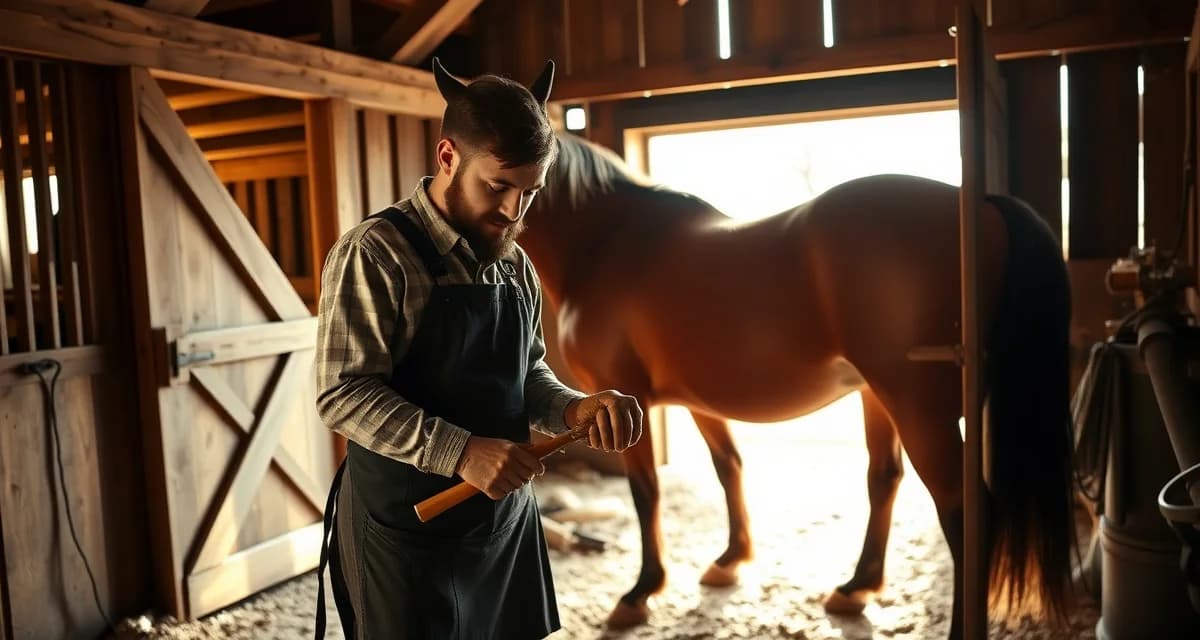
Farrier Software for Pennsylvania: From Lancaster County to Philadelphia Horse Country
Pennsylvania has 185,000+ horses and one of the most interesting horse demographics of any state in the country.
TL;DR
- Pennsylvania's 185,000+ horses span three distinct markets: Lancaster County's Amish and Old Order Mennonite draft horse community (large-volume working teams), Chester County's Brandywine Valley hunt country (upper-level hunters and sport horses), and Central Pennsylvania's wide rural agricultural interior (Quarter horses, trail horses, working stock).
- Lancaster County Amish farms can have multiple working teams needing all 8-12 horses shod in a single long visit -- batch scheduling with individual per-horse records for each farm visit handles this volume without administrative chaos.
- Many Lancaster County Amish farms have no electrical service and inconsistent cell signal -- offline-first design is a functional requirement, not a convenience feature, for any farrier serving this community.
- Chester County hunt country clients (Brandywine Valley, fox hunting tradition) expect precise scheduling, detailed per-horse visit records, and professional invoicing -- the same standards as any East Coast premium equestrian market.
- Central Pennsylvania's Appalachian ridge-and-valley regions and Interstate 80 corridor counties have real cell coverage gaps on farm roads -- the offline app handles these the same way it handles Lancaster County.
- FarrierIQ supports both cash payment tracking for Amish clients and professional digital invoicing for Chester County barns in the same platform.
- Pennsylvania farriers using FarrierIQ handle Lancaster draft horse volume, Chester County hunt country documentation, and rural Central Pennsylvania coverage gaps in one offline-first platform. Lancaster County alone has a substantial draft horse population tied to the Amish and Old Order Mennonite communities. Chester County and the Philadelphia suburbs have concentrated hunter/jumper operations. And Central Pennsylvania has a mix of quarter horses, trail horses, and agricultural working horses spread across wide rural areas.
Farrier software Pennsylvania farriers use needs to handle the draft horse scale of Lancaster, the show horse precision of Chester County, and the rural connectivity gaps that come with working Pennsylvania farm country.
Lancaster County: The Draft Horse Capital of Pennsylvania
Lancaster County's Amish draft horse community creates a distinct set of demands for farriers working the area. You're dealing with large volumes. Some Amish farms have multiple working teams, and horses whose shoeing cycles are tied to workload intensity rather than simple calendar intervals.
These farms also present connectivity challenges. Many Amish farms have no electrical service, and cell signal in rural Lancaster County is inconsistent at best. A farrier app that requires internet access to function will fail you on Lancaster County routes regularly.
PA's Amish draft horse community creates large-volume shoeing routes that offline-first software handles best. FarrierIQ stores all your horse data locally, so you can schedule, record notes, and invoice without any connection. The app syncs everything when you're back in range.
Chester County and Hunt Country
Chester County is Pennsylvania's hunt country. The Brandywine Valley has a rich tradition of fox hunting and horse sport that produces a concentrated population of upper-level hunters and sport horses.
These clients typically want precise scheduling, detailed visit records, and professional invoicing. FarrierIQ's per-horse records capture everything relevant: shoe type, corrective angles, hoof condition notes, and vet coordination. The professional invoice format meets the expectations of high-end horse operations.
Rural Central Pennsylvania
Beyond the Lancaster and Chester County clusters, Pennsylvania's horse population is spread across a wide agricultural interior. Perry County, Juniata County, Northumberland County: working horses, trail horses, and the mix of breeds typical of rural farming communities.
These areas have real connectivity challenges. Interstate 80 corridor counties and the Appalachian ridge-and-valley regions have cell coverage gaps on farm roads.
FarrierIQ's offline app functionality covers all of it. Whether you're in the Lancaster Plain or on a ridge road in Centre County, the app works the same way without internet required.
Handling PA's Draft Horse Volume
Draft horse accounts tend to be high-volume. A farm with four working teams might need all eight horses shod in a single long visit. FarrierIQ's batch scheduling and per-horse record keeping handles multi-horse farm visits cleanly.
You can see all horses at a given farm in one view, record notes for each, and generate a single invoice for the full farm visit or individual invoices per horse. Whatever works for the client relationship.
See the draft horse shoeing guide for more on managing large draft horse accounts.
FAQ
What farrier software works in Lancaster County PA?
FarrierIQ works throughout Lancaster County, including in areas with no cell signal. The app's offline-first design is suited to Lancaster's Amish farm routes, where connectivity is unreliable and large draft horse volumes require efficient per-horse record keeping.
How do PA farriers handle rural coverage gaps?
FarrierIQ's offline mode stores all client and horse data on the device locally. Appointments, horse records, invoicing, and scheduling all function without internet access. When you're back in range, the app syncs automatically. This makes rural PA coverage gaps a non-issue for your daily workflow.
Is there a farrier app popular in Pennsylvania hunt country?
Yes. FarrierIQ is used by farriers throughout Chester County and the Brandywine Valley hunt country. The app's per-horse records, professional invoicing, and scheduling tools fit the expectations of the high-end horse operations common in that area.
What documentation do Chester County hunt country barn managers expect?
Chester County's Brandywine Valley hunt country has barn manager expectations similar to other prestigious East Coast hunt communities -- per-horse records that are detailed, accessible, and demonstrate that the farrier is tracking each animal across visits rather than starting fresh each time. Minimum documentation expectations include: date of visit, shoe type and size for each hoof, any corrective or modification details from the previous set, a brief hoof condition observation, and the next recommended appointment. For foxhunters where soundness is critical for field work, noting any hoof condition trends observed across visits -- "gradual improvement in right front heel quality over three visits, continuing current treatment" -- signals that the farrier is actively monitoring the animal's soundness. The horse owner portal gives Chester County barn managers direct record access without calling you, which is standard expectation in premium Mid-Atlantic horse markets.
How should Pennsylvania farriers approach the transition between Lancaster County and Chester County accounts?
Farriers who serve both Lancaster County draft horse accounts and Chester County sport horse accounts in the same business are managing two completely different client cultures in the same platform. The practical approach is to configure each client type separately: Lancaster accounts use cash payment tracking, farm-level scheduling for multi-horse visits, workload-based interval notes rather than calendar assumptions, and no digital portal expectation. Chester County accounts use professional digital invoicing, per-horse individual records with competition notes, and potentially the horse owner portal for barn manager access. FarrierIQ handles both configurations in the same system -- you are not switching platforms for different client types, you are setting each account's profile to match the appropriate expectations for that client.
Sources
- American Farrier's Association (AFA), Pennsylvania member directory and credential information
- Pennsylvania Equine Council, Pennsylvania equine industry resources and regional contacts
- American Association of Equine Practitioners (AAEP), equine veterinarian directory for Pennsylvania
- Pennsylvania State University Extension, equine resources for Pennsylvania agricultural communities
Get Started with FarrierIQ
Pennsylvania farriers managing Lancaster County Amish draft horse routes, Brandywine Valley hunt country accounts, and Central Pennsylvania rural territory use FarrierIQ's offline capability, batch farm scheduling, cash payment tracking, and professional records tools to serve the full diversity of the Keystone State's horse community. For farriers serving Pennsylvania's horse market from Lancaster County to Chester County, farrier software for Pennsylvania provides the scheduling and documentation tools that professional practice in the Keystone State requires.