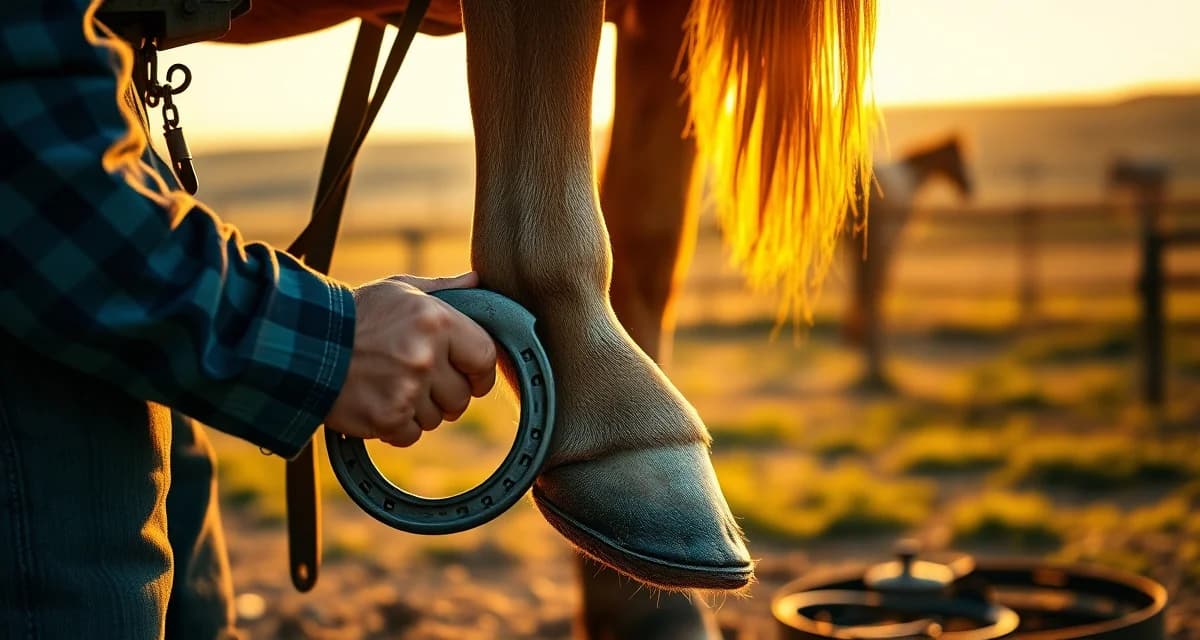
Farrier Software for Oklahoma: Built for the Horse and Cattle Capital of the Plains
Oklahoma is horse country. With 326,000+ horses and ranking second nationally for horse population per capita, you're not dealing with a handful of scattered clients.
TL;DR
- Oklahoma ranks 2nd nationally for horses per capita with 326,000+ horses -- the client base spans working cattle ranch horses, Quarter Horses and Paints, and Arabian show horses around the Oklahoma City circuit, all requiring different records and scheduling approaches.
- Oklahoma farriers covering Tulsa to Stillwater to Enid territory report saving 45-90 minutes per day from route optimization alone -- over a month that is entire workdays recovered.
- Managing 80-100 horses across multiple operations requires per-horse interval tracking that flags overdue animals automatically -- trying to remember who is overdue while working is how horses fall through the cracks.
- Cell coverage in rural western Oklahoma gets spotty -- offline capability that syncs automatically when back in range is essential for consistent field operation.
- Invoicing from the phone at point of service (client gets a text or email immediately) reduces check-chasing and improves cash flow across a high-volume Oklahoma book.
- Quarter Horses, Paints, working ranch horses, and Arabians have different shoeing packages and record-keeping needs -- customizable per-horse templates handle that variation without separate systems.
- Oklahoma farriers using FarrierIQ handle high-volume rural books, route efficiently across county-spanning territory, and invoice professionally with mobile-first tools built for horse-dense Plains markets. You've got a full book, long days, and a lot of driving. The right farrier software isn't a luxury here, it's how you stay sane.
FarrierIQ was built for exactly this kind of market. Dense client lists, rural routes that stretch across county lines, and the need to keep records tight across a wide variety of horse types.
Why Route Optimization Matters More in Oklahoma
Oklahoma farriers drive. A lot. When you're covering operations from Tulsa to Stillwater to Enid, the order you run your stops makes a real difference at the end of the week. Wasted miles add up fast in fuel and time.
FarrierIQ's route optimization automatically sequences your appointments to cut backtracking. You plug in your stops for the day, and the app gives you the most efficient order. Clients in the same area get batched together. It's not magic, it's just smart scheduling that saves you real money.
On a typical Oklahoma book, farriers report saving 45-90 minutes per day just from better routing. Over a month, that's entire workdays recovered.
Managing a Large Rural Book
Oklahoma's horse density is both an opportunity and a challenge. You can fill your schedule fast, but keeping track of 80 or 100 horses across multiple operations takes real organization.
FarrierIQ's scheduling app keeps every horse's cycle on track. Set intervals per horse, six weeks, eight weeks, whatever that animal needs, and the system flags when they're coming due. No more trying to remember who's overdue while you're elbow-deep in a back foot.
Each horse gets its own record: breed, age, shoeing history, hoof notes, photos. When you pull up to a new operation or cover for another farrier, everything you need is right there.
Oklahoma-Specific Features Worth Knowing
Oklahoma operations range from small pleasure horse barns to working cattle ranches with a dozen horses each. You'll deal with Quarter Horses, Paints, working ranch horses, and plenty of Arabians around the Oklahoma City show circuit.
FarrierIQ handles all of it with customizable per-horse record templates. You can note different shoeing packages, track corrective work, and flag horses that need special attention at the next visit.
Cell coverage in rural western Oklahoma can get spotty. FarrierIQ works offline and syncs when you're back in range, so you're never stuck waiting on a signal to log a visit.
Getting Paid Faster
Running a full book in a horse-dense state means invoicing volume matters. Chasing checks at the end of the week costs you time. FarrierIQ lets you invoice from your phone the moment you finish a horse, client gets a text or email, you get paid faster.
You can track who's current and who's behind without digging through a notebook. That visibility alone changes how you manage accounts.
Frequently Asked Questions
What farrier app works best in Oklahoma?
FarrierIQ is built for high-volume, rural-route farrier work, which describes most Oklahoma books. Route optimization, offline capability, and per-horse records are all included.
How do Oklahoma farriers manage large rural books?
FarrierIQ's scheduling system tracks cycle intervals per horse and flags overdue animals automatically. Combined with route optimization, it keeps large books manageable without extra admin time.
Is there farrier software built for Oklahoma horse country?
Yes. FarrierIQ handles the mix of ranch horses, pleasure horses, and show horses common across Oklahoma, with offline-first design for areas where cell coverage is unreliable.
What records do Oklahoma City area Arabian show clients expect from their farrier?
The Oklahoma City show circuit's Arabian community has documentation expectations that differ from ranch horse clients. Arabian show horse records should include: shoe type and weight (Arabians are often shod with specific light aluminum configurations), any extension or corrective work, hoof wall condition noting any growth rate or quality concerns, and the specific show dates being prepared for. For horses in active show programs, the pre-show service window matters -- Arabians competing in halter or sport horse classes are typically shod 7-10 days before showing to allow time to settle into the new set. Oklahoma City area barn managers at Arabian show facilities compare notes on their farriers; consistent professional records combined with reliable scheduling builds the reputation that generates referrals in this tightly networked community.
How should Oklahoma farriers structure pricing for large ranch visits?
Oklahoma ranch accounts with 8-15 horses per visit require a pricing structure that reflects the full-day nature of the visit. The most practical approach is transparent per-horse pricing with a flat travel fee covering the visit regardless of horse count -- ranch clients understand that the farrier is driving significant distance and driving once for 12 horses is more economical than 12 separate visits. For western Oklahoma ranches where drive time can be substantial, some farriers build a minimum visit fee (e.g., equivalent to 5-6 horses) that applies even if fewer animals need service on a given visit -- this protects the economics of the drive. Communicating this structure clearly when establishing a new ranch account prevents the friction that arises later when a client assumes a short visit reduces the bill proportionally. FarrierIQ's invoicing tools let you set per-client pricing structures that apply automatically to each account's invoices.
Related Articles
Sources
- American Farrier's Association (AFA), Oklahoma member directory and credential information
- Oklahoma Horse Council, Oklahoma equine industry resources and regional contacts
- American Association of Equine Practitioners (AAEP), equine veterinarian directory for Oklahoma
- Oklahoma State University Extension, equine resources for Oklahoma agricultural communities
Get Started with FarrierIQ
Oklahoma farriers managing high-volume rural books across Tulsa, Stillwater, Enid, and Oklahoma City territory use FarrierIQ's route optimization, per-horse interval tracking, offline capability, and mobile invoicing to run efficient practices in one of America's most horse-dense states. For farriers serving Oklahoma's horse and cattle country, farrier software for Oklahoma provides the scheduling and business tools that professional practice in the Sooner State requires.