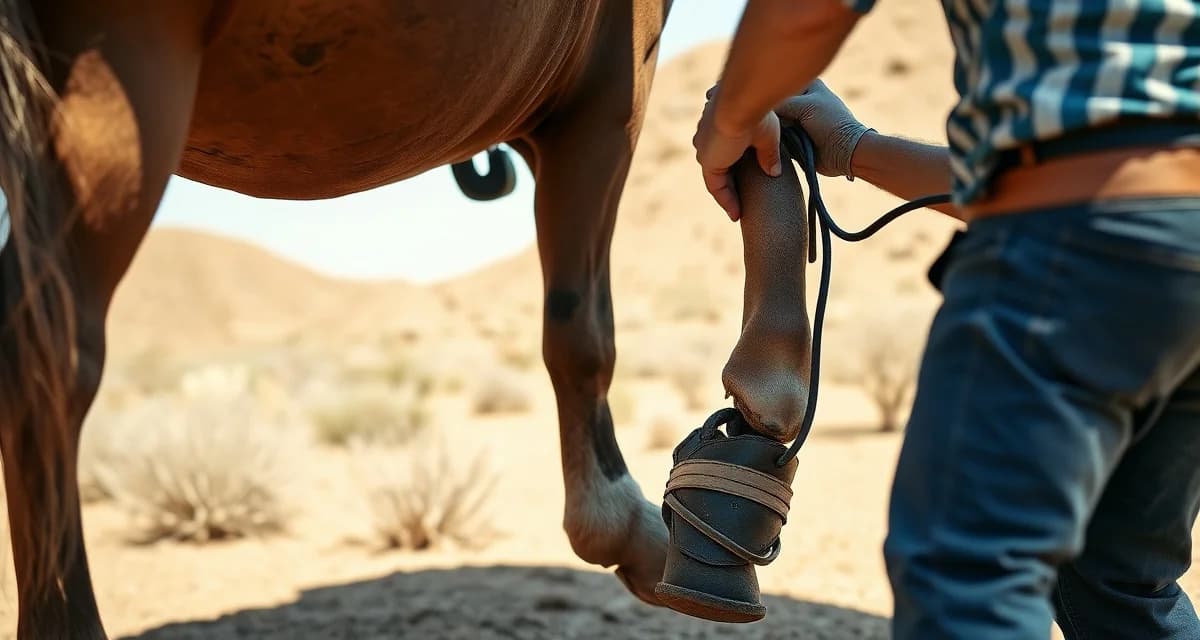
Farrier Software for Arizona: Manage Desert Routes and Year-Round Horse Calendars
Arizona farriers work twelve months a year, but they're not working in the same conditions in February that they are in July. The desert climate creates specific hoof challenges -- hard, brittle walls in dry season, rapid growth cycles in monsoon season -- and the show horse migration to Scottsdale in winter creates its own scheduling dynamics.
TL;DR
- Arizona farriers work a true 12-month calendar -- but dry season (May-June) creates hard, brittle hoof walls prone to coronary band cracking, while monsoon season (July-September) spikes humidity, changes ground conditions, and often accelerates hoof growth requiring interval adjustments.
- Scottsdale's WestWorld show season (fall through spring) draws show horses from across the country -- farriers serving this market need tight documentation, reliable scheduling, and digital invoicing at showgrounds.
- Arizona rates run $40-65 for trims and $160-235 for full steel sets -- Scottsdale and Phoenix metro run high end, rural Arizona and Tucson run lower.
- Spread-out desert territory between Scottsdale, Queen Creek, Tucson, and Prescott makes route optimization meaningful -- well-sequenced Arizona routes save significant fuel and drive time.
- July and August Phoenix/Scottsdale conditions reach 110F -- scheduling early morning and route flexibility to reorder stops quickly is a practical daily need.
- Rural desert properties have unreliable cell signal -- offline access is essential for working the full range of Arizona farrier territory.
- Arizona farriers using FarrierIQ track individual horse hoof patterns through the state's extreme seasonal transitions, building a per-horse clinical history that supports both better care and professional client communication.
The Direct Answer
Arizona farriers need software that handles year-round scheduling, tracks hoof condition through the state's climate extremes, routes efficiently across spread-out desert territory, and works offline in the rural desert areas where cell signal is unreliable. FarrierIQ covers all of it.
Why Arizona Is Different
Desert hooves are hard - sometimes too hard. Arizona horses, particularly those in low-humidity inland areas, can develop very hard, dry, brittle hoof walls. Cracking, especially at the coronary band, is common in the dry months (May-June, before monsoon). Farriers who track these patterns by horse can catch developing issues before they become serious.
Monsoon season changes everything. When the Arizona monsoon arrives in July and runs through September, humidity spikes, ground conditions change from rock-hard to muddy, and hoof growth rates often increase. A scheduling system that accommodates adjusted intervals during monsoon season helps you manage the surge.
Scottsdale show season. The WestWorld complex hosts major shows from fall through spring. Farriers serving show horses that winter in Scottsdale need tight documentation and reliable scheduling to serve these high-expectations clients.
Spread-out territory. Between Scottsdale, Queen Creek, Tucson, and Prescott, Arizona farriers drive significant distances. Route optimization on these desert highway routes saves time and fuel.
3 Key Points for Arizona Farriers
1. Hoof Condition Notes Flag Desert-Specific Problems
Dry-climate cracking and brittleness develop predictably in the dry season. Systematic per-horse notes help you spot which horses are most vulnerable before the cracks become shoeing problems.
2. Show Season Scheduling Requires Tight Systems
Scottsdale show horse clients expect professional scheduling coordination. Automated reminders, digital invoicing at the showgrounds, and accessible hoof histories all matter when you're serving this clientele.
3. Temperature Affects Your Day Plan
July and August in Phoenix/Scottsdale mean 110°F afternoons. Most Arizona farriers schedule early morning and adjust the route to avoid standing in direct sun after 10am. A flexible scheduling system that lets you reorder stops quickly matters.
Related Articles
- Farrier Scheduling Software for Nebraska: Cornhusker Ranch Routes
- Farrier Scheduling Software for North Dakota: Oil Country and Ranch Routes
- Farrier Scheduling Software for Oregon: From Willamette Valley to High Desert
FAQ
What is the best farrier software for Arizona?
FarrierIQ's route optimization is particularly valuable in Arizona, where the distances between clients in the Phoenix metro, East Valley, and Tucson can add up quickly. Offline access is essential for rural clients in the desert. Per-horse hoof notes for tracking desert-climate conditions round out the key features for Arizona farriers.
How much do farriers charge in Arizona?
Arizona rates run $40-65 for trims and $160-235 for full steel sets in most markets. Scottsdale and Phoenix metro run at the high end; rural Arizona markets and Tucson run somewhat lower. Travel surcharges are standard for clients more than 20 miles from the farrier's base.
Does Arizona's dry climate affect shoeing frequency?
In dry months, hoof growth can slow slightly for some horses, potentially extending cycles to 6-7 weeks. During monsoon season, growth often picks up. Arizona farriers typically track individual horses' growth patterns and adjust cycles accordingly rather than applying a fixed interval across all horses.
How should an Arizona farrier document monsoon season hoof changes for clients?
Per-horse records should note hoof condition at the start and through the monsoon season -- specifically, whether growth rate has increased relative to the dry months, whether the horse's white line integrity is holding given the moisture exposure, and whether interval adjustment is warranted. A note at a July visit reading "growth rate up from dry season, 5 weeks vs 6 weeks recommended through September" gives the client context and creates a record justifying the schedule adjustment. Clients with horses in Queen Creek's muddy monsoon paddocks need specific white line management advice -- documenting your recommendations protects you if issues develop.
What should Arizona farriers know about shoeing show horses during Scottsdale circuit season?
Show horses wintering in Scottsdale require the same documentation standards as any high-value performance horse -- complete per-visit records noting shoe type, size, modifications, and hoof condition. Owners traveling from other states to winter in Scottsdale may have their horse's regular farrier unavailable; your records become the continuity document when the horse returns home. Digital records accessible through the horse owner portal let out-of-state owners and trainers access visit history remotely. Show season in Scottsdale is high-stakes enough that documentation errors -- or the absence of records -- create real problems when something goes wrong with a valuable horse.
Sources
- American Farrier's Association (AFA), Arizona member directory and credential information
- Arizona Department of Agriculture, Arizona equine industry resources
- American Association of Equine Practitioners (AAEP), equine veterinarian directory for Arizona
- University of Arizona Cooperative Extension, equine resources for Arizona horse owners
Get Started with FarrierIQ
Arizona farriers managing year-round desert schedules use FarrierIQ's route optimization, offline access, and per-horse hoof condition tracking to run professional practices from Scottsdale show circuit accounts to rural Tucson and Prescott territory. The combination of seasonal interval flexibility, show horse scheduling tools, and offline capability for desert rural properties covers the full range of what Arizona farrier operations require.