Farrier App for Parker and Castle Rock CO: Managing Douglas County's Horse Communities
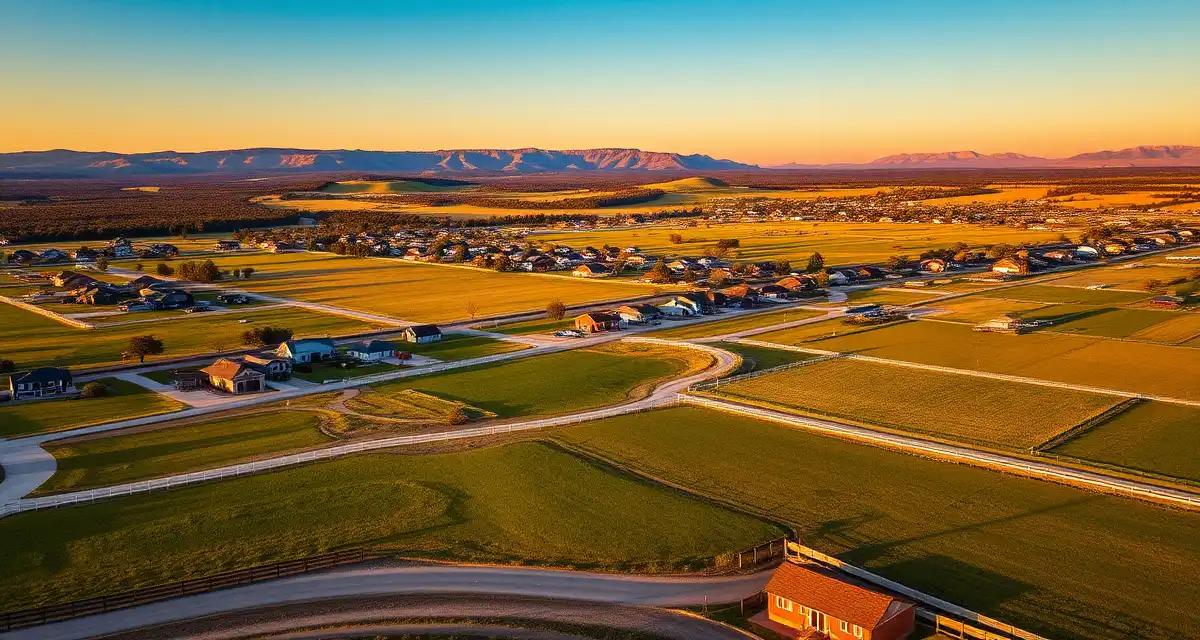
Douglas County is one of the most horse-dense suburban counties in the United States, with 18,000-plus horses in communities that sit right in the transition zone between Denver's suburbs and the open range of the Colorado Front Range. Parker, Castle Rock, Larkspur, Franktown, and the surrounding communities blend residential horse properties with established equestrian facilities in a way that creates remarkable route density for a farrier who's organized.
The opportunity here is real. The challenge is that Douglas County's geography, stretching from the edge of the metro to the foothills, requires a systematic approach to routing.
TL;DR
- Douglas County is one of the most horse-dense suburban counties in the US -- 18,000+ horses in Parker, Castle Rock, Larkspur, and Franktown create remarkable route density for an organized farrier.
- Parker is one of the most horse-friendly incorporated cities in Colorado -- equestrian zoning, boarding facilities within city limits, and serious horse owners within a few miles of the Denver Tech Center create an unusually concentrated urban farrier opportunity.
- The Parker-to-Franktown-to-Castle Rock corridor is a natural geographic progression for a full Douglas County day -- building route discipline around this corridor rather than booking in call order prevents the zigzag pattern that adds an hour per day.
- Douglas County sits at 5,500-7,000 feet elevation across its range; snow in May is not unusual in the Larkspur and Monument areas -- mobile records mean you can manage appointment changes from the truck without paper calendars.
- El Paso County extension (Monument and Black Forest areas) adds route density south of Castle Rock for farriers whose book grows in that direction.
- Colorado has no state farrier licensing requirement -- but Douglas County's growing show horse community and Front Range equestrian culture reward AFA credentials and professional documentation.
- Elevation affects hooves: Douglas County's high-altitude dry climate creates harder, drier hooves than low-altitude markets; noting these characteristics per horse in FarrierIQ's records supports better clinical decisions over time.
Parker: The Heart of the Market
Parker is one of the most horse-friendly incorporated cities in Colorado. Equestrian zoning, boarding facilities within the city limits, and a population of serious horse owners within a few miles of the Denver Tech Center. The demographics are strong, the clients are engaged, and the route density in Parker proper is excellent.
FarrierIQ's route optimization makes Parker days especially productive. You're not driving far between stops if your routing is clustered properly, and the concentration of horses means you can comfortably do more appointments per day in Parker than in most suburban markets.
Castle Rock and the Franktown Corridor
Castle Rock sits at the southern end of Douglas County and has its own equestrian community. Between Parker and Castle Rock, the Franktown Road corridor and the surrounding county roads hold a mix of private horse properties that serve as a natural connector between the two major communities.
Running a Douglas County day that starts in Parker, works through Franktown, and finishes in Castle Rock is a logical geographic progression. FarrierIQ's scheduling tools help you build that kind of planned corridor rather than booking appointments as they come in without regard for geography.
Elevation and Weather
Douglas County sits at 5,500 to 7,000 feet elevation across its range. Weather can be unpredictable, especially in the Larkspur and Monument areas at the southern end. Snow in May is not unusual. Having your records and scheduling in a mobile app means you can manage appointment changes from the truck without coming home to a paper calendar.
Extending South: El Paso County
Some Douglas County farriers also work El Paso County, including the Monument and Black Forest areas, which add additional route density south of Castle Rock. FarrierIQ's scheduling app handles the extended territory the same way it handles Douglas County, keeping every horse on interval regardless of county.
Frequently Asked Questions
What farrier app is popular in Parker Colorado?
FarrierIQ is used by farriers across the Denver south metro, including Parker, Castle Rock, and the broader Douglas County equestrian community. Its route optimization is well-suited to the mixed suburban and rural horse density of the area.
How do Douglas County farriers manage their dense suburban routes?
Corridor-based routing is the most efficient approach, grouping Parker stops on different days from Castle Rock stops and building geographic progressions rather than zigzagging across the county. FarrierIQ builds those corridors automatically based on the addresses in your client book.
Is there farrier software for the Franktown CO horse community?
Yes. FarrierIQ works across all of Douglas County, including the Franktown and Elbert Road communities that sit between Parker and Castle Rock. It handles scheduling, hoof records, invoicing, and route optimization for farriers anywhere in the Colorado Front Range metro.
How does Douglas County's equestrian community compare to the broader Colorado Front Range market?
Douglas County is the dense core of Front Range suburban equestrian culture -- the demographics (higher income, suburban professional, serious horse owners) are concentrated here in a way that's comparable to Weddington outside Charlotte or Hunt Valley outside Baltimore. The Parker and Castle Rock facilities increasingly expect professional credentials (AFA CF at minimum) and organized records from the farriers they work with. Farther out on the Front Range -- Larimer County near Fort Collins, El Paso County near Colorado Springs -- the market is more diverse, with a mix of competitive show facilities and more traditional western pleasure and trail riding clients. Farriers building a Douglas County practice are in a market segment that rewards professional infrastructure from day one.
What hoof considerations are specific to Douglas County's altitude and climate?
At 5,500-7,000 feet in a dry climate, Douglas County horses typically have harder, drier hooves than horses in more humid regions. This affects hoof moisture management recommendations, trimming approach for horses with particularly dry hoof walls, and the seasonal variation as summer monsoons briefly increase moisture. FarrierIQ's hoof health records allow you to track these characteristics per horse over time -- a horse that consistently has dry, brittle hoof walls in late summer is a candidate for specific moisture management recommendations that you document in the record. Horses transitioning from lower altitudes (from Texas or California) often need an adjustment period as their hooves adapt to Colorado's drier conditions.
Sources
- Colorado State University Equine Sciences program, equine management in high-altitude environments
- Douglas County, Colorado, equestrian zoning and horse community data
- Colorado Farriers Association, state-specific professional development and Front Range market resources
- American Farrier's Association (AFA), regional farrier professional resources
Get Started with FarrierIQ
Douglas County's 18,000+ horse concentration is one of the best suburban farrier opportunities in the Western US -- but route discipline and organized records are what convert that opportunity into a profitable, sustainable book. FarrierIQ's route optimization builds the Parker-Franktown-Castle Rock corridor efficiently, and the per-horse records and hoof history support the professional standards Douglas County's growing show community expects. Try FarrierIQ free and build your first optimized Douglas County route on your next work day.