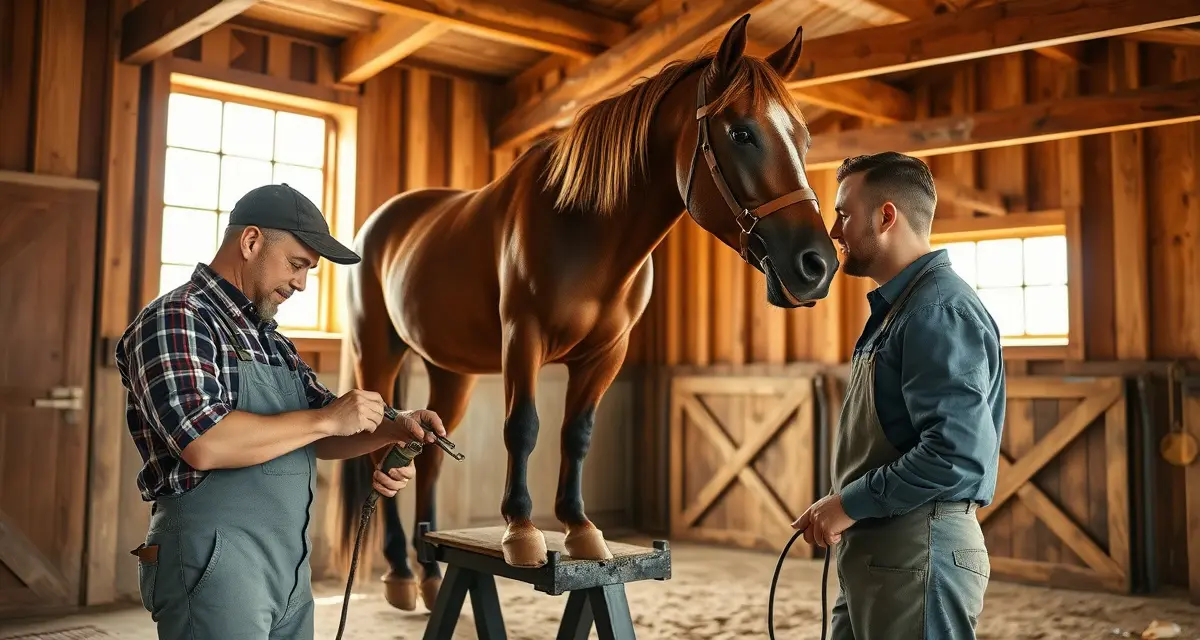
Farrier App for Milwaukee WI: Managing Waukesha County's Horse Communities
Milwaukee's metro area has 20,000+ horses concentrated in Waukesha County -- one of the most horse-dense suburban counties in the Midwest. Waukesha County communities like Oconomowoc, Hartland, Mukwonago, and the New Berlin corridor have substantial boarding facilities and private horse properties that make the county a natural center for Milwaukee-area farrier business.
TL;DR
- Milwaukee metro has 20,000+ horses concentrated in Waukesha County -- Oconomowoc, Hartland, Mukwonago, and the New Berlin corridor create one of the most horse-dense suburban counties in the Midwest.
- Waukesha County's horse concentration creates excellent route clustering opportunities -- a well-organized farrier can complete significantly more stops per day with less drive time than markets with more dispersed horse populations; route optimization can mean the difference between 10 and 13 stops in a productive day.
- Wisconsin winters require scheduling flexibility -- storm days and icy conditions cancel appointments that must be rescheduled without losing the client; FarrierIQ tracks every horse's interval so you know exactly who needs to be seen when conditions allow.
- Documenting winter hoof conditions -- snowball prevention setups, traction additions, winter hoof quality assessments -- creates a seasonal management history that helps plan the following winter's approach for each horse.
- Wisconsin's climate creates predictable seasonal patterns: spring brings rapid hoof growth, summer is peak demand, fall is competition wind-down, winter brings slowdowns and weather challenges -- interval tracking prevents horses from getting missed through the seasonal disruption.
- No Wisconsin state farrier licensing requirement exists -- but Waukesha County's suburban professional horse owner demographic expects organized records and professional communication comparable to other home service providers.
- Oconomowoc's lake country geography creates natural geographic clustering -- the compact lake district community makes route optimization particularly efficient for farriers with multiple Oconomowoc-area clients.
The Waukesha County Advantage
Waukesha County's horse concentration creates excellent route clustering opportunities for Milwaukee-area farriers. Multiple boarding barns and private horse properties sit within a relatively compact geographic area, allowing a well-organized farrier to complete more stops per day with less drive time than markets with more dispersed horse populations.
FarrierIQ's route optimization maps Waukesha County's horse facilities and sequences appointments to minimize drive time between stops. In a county where horse density creates natural clustering opportunities, optimization can mean the difference between 10 stops and 13 stops in a productive day.
Wisconsin Winter Management
Wisconsin winters are serious, and Milwaukee-area farriers need to plan for them. Snow, ice, frozen ground, and the footing challenges of winter work affect both the horse and the farrier's schedule.
Winter scheduling in Wisconsin requires flexibility -- storm days and icy conditions cancel appointments that need to be rescheduled without losing the client. FarrierIQ's scheduling system makes rescheduling straightforward, tracking every horse's interval so you know exactly who needs to be seen as soon as conditions allow.
Documenting winter hoof conditions -- snowball prevention setups, traction additions, winter hoof quality assessments -- in FarrierIQ's records creates a winter management history that helps plan next season's approach for each horse.
Year-Round Scheduling Discipline
Wisconsin's climate creates seasonal patterns in horse use and therefore in farrier demand. Spring brings rapid hoof growth; summer is peak demand; fall is competition season wind-down; winter brings the slowdowns and weather challenges.
FarrierIQ's scheduling app keeps every horse on their correct interval year-round, automatically flagging overdue horses and sending appointment reminders that maintain scheduling discipline even through Wisconsin's challenging winter months. The farrier client management guide covers strategies for maintaining client relationships through seasonal scheduling disruptions.
Frequently Asked Questions
What farrier app is used near Milwaukee Wisconsin?
FarrierIQ is used by Milwaukee-area farriers serving Waukesha County and surrounding communities. The app's route optimization is particularly valuable in Waukesha County given the high horse density -- grouping appointments efficiently across Oconomowoc, Hartland, and Mukwonago saves meaningful drive time each day. Winter scheduling management and overdue horse tracking help Milwaukee farriers maintain their books through Wisconsin's challenging winter season. Professional mobile invoicing and horse records meet the expectations of Waukesha County's suburban horse owner community.
How do Waukesha County farriers handle winter scheduling?
Waukesha County farriers using FarrierIQ build winter flexibility into their scheduling from the start of cold season. When storm days or icy conditions cancel appointments, the app automatically identifies which horses are past their interval and helps prioritize rescheduling. Automated reminders, reset after cancellations, keep clients informed of rescheduled dates. FarrierIQ's overdue horse tracking ensures that no horse gets missed in the reshuffling -- every horse that got pushed back in January because of a February ice storm shows up in the system as needing attention as soon as conditions improve.
Is there farrier software for the Oconomowoc WI horse community?
Yes. FarrierIQ serves the Oconomowoc and western Waukesha County horse community effectively. Oconomowoc's lake country horse properties and boarding facilities are well-suited to FarrierIQ's geographic route optimization -- the community's compact geography around the lake district makes clustering stops particularly efficient. Automated appointment reminders keep Oconomowoc's horse owners on schedule through both busy summer seasons and the Wisconsin winter months when scheduling discipline matters most for maintaining client relationships.
How does Wisconsin's climate affect hoof documentation practices for Milwaukee-area farriers?
Wisconsin's seasonal extremes create meaningful hoof condition variation that's worth documenting year-round. Spring thaw creates soft, wet ground conditions that can stress white line integrity and make hoof quality assessments more important after a long winter. Summer competition season brings peak demand and horses that may be working harder on harder ground. Fall requires assessing horses heading into winter and making early decisions about snowball prevention and traction setups. Winter itself creates the most documentation-worthy conditions -- horses with snowball prevention pads, borium or studs for traction, and hoof quality notes from cold-weather assessments form a winter care record that informs next year's approach. Tracking all of this per horse in FarrierIQ creates a multi-year seasonal baseline that helps you advise clients proactively about what their specific horse needs heading into each season.
What's the most effective way to manage client relationships through Wisconsin's winter disruptions?
The most important winter relationship management tool is proactive communication -- when a storm cancels a day's appointments, reaching out to all affected clients immediately (rather than waiting for them to notice they didn't hear from you) signals reliability even when you couldn't make the visit. FarrierIQ's automated reminders can be reset after cancellations to send new appointment confirmations for rescheduled dates. For clients whose horses are approaching or past their interval during a disrupted period, a direct message acknowledging the delay and committing to a specific rescheduled date prevents the anxiety that builds when a horse owner doesn't know when their farrier is coming. Milwaukee's suburban Waukesha County demographic -- professional horse owners who expect reliable service -- responds particularly well to proactive winter communication because it matches the service standard they expect from any professional they hire.
Sources
- University of Wisconsin-Madison Division of Extension, Wisconsin horse population and equine management resources
- Wisconsin Department of Agriculture, Trade and Consumer Protection, state equine industry statistics
- American Farrier's Association (AFA), Midwest regional farrier professional resources
- American Farriers Journal, winter farrier management and Great Lakes market data
Get Started with FarrierIQ
Waukesha County's 20,000+ horse concentration is one of the best suburban farrier opportunities in the Midwest -- and Wisconsin's four-season climate makes systematic interval tracking and winter scheduling flexibility essential for keeping that book intact year-round. FarrierIQ's route optimization handles the county's dense horse population efficiently, and the scheduling system manages winter disruptions without losing clients or missing horses. Try FarrierIQ free and run your first optimized Waukesha County route on your next work day.